


Friends of the Riney Canine Health Center, Thank you for joining our pack! I’m Brian Collins, an...
Friends of the Riney Canine Health Center,
Thank you for joining our pack! I’m Brian Collins, an extension associate for the Cornell Richard P. Riney Canine Health Center, and I’m pleased to share this month’s “From the Vet’s Desk” monthly health tip with our members.
Happy New Year!
For those of us who live where the winter is cold and snowy, the weather can present opportunities for fun as well as some real challenges for keeping our pups (and us) safe and comfortable. This month I want to share some reminders about winter safety.
Indoor Winter Tips:
Most of us spend more time inside during the winter, and may enjoy the warmth of a fireplace, woodstove, or space heater. Dogs should be protected from all heat sources by about three feet and should not be left unsupervised near them. An older dog who is used to this every year is much less likely than a puppy to get into trouble. A fireplace screen or glass door will help keep curious pups from venturing too close and being exposed to the fire and embers that can shift as the fire is burning. Other sources of heat – gas or electric fireplaces, stoves that burn wood, coal, or pellets – can all lead to injuries. Barriers such as baby/pet gates or foldable exercise pens can help maintain a safe distance. Dog beds and blankets should be kept at a safe distance as well.
Most dogs will appreciate a warm blanket or bed located out of drafty areas and a safe distance from heat sources. There are all kinds of warm, comfortable beds available – including orthopedic-styles and even heated ones. Some dogs will even benefit from wearing a sweater indoors.
Outdoor Winter Tips:
Winter weather brings a variety of challenges --cold temperatures, snow, wind, ice, rain and fluctuating conditions which can all affect how comfortable and safe our dogs are when spending time outdoors. While some dogs thrive in winter conditions, others may need a little extra help staying warm and protected.
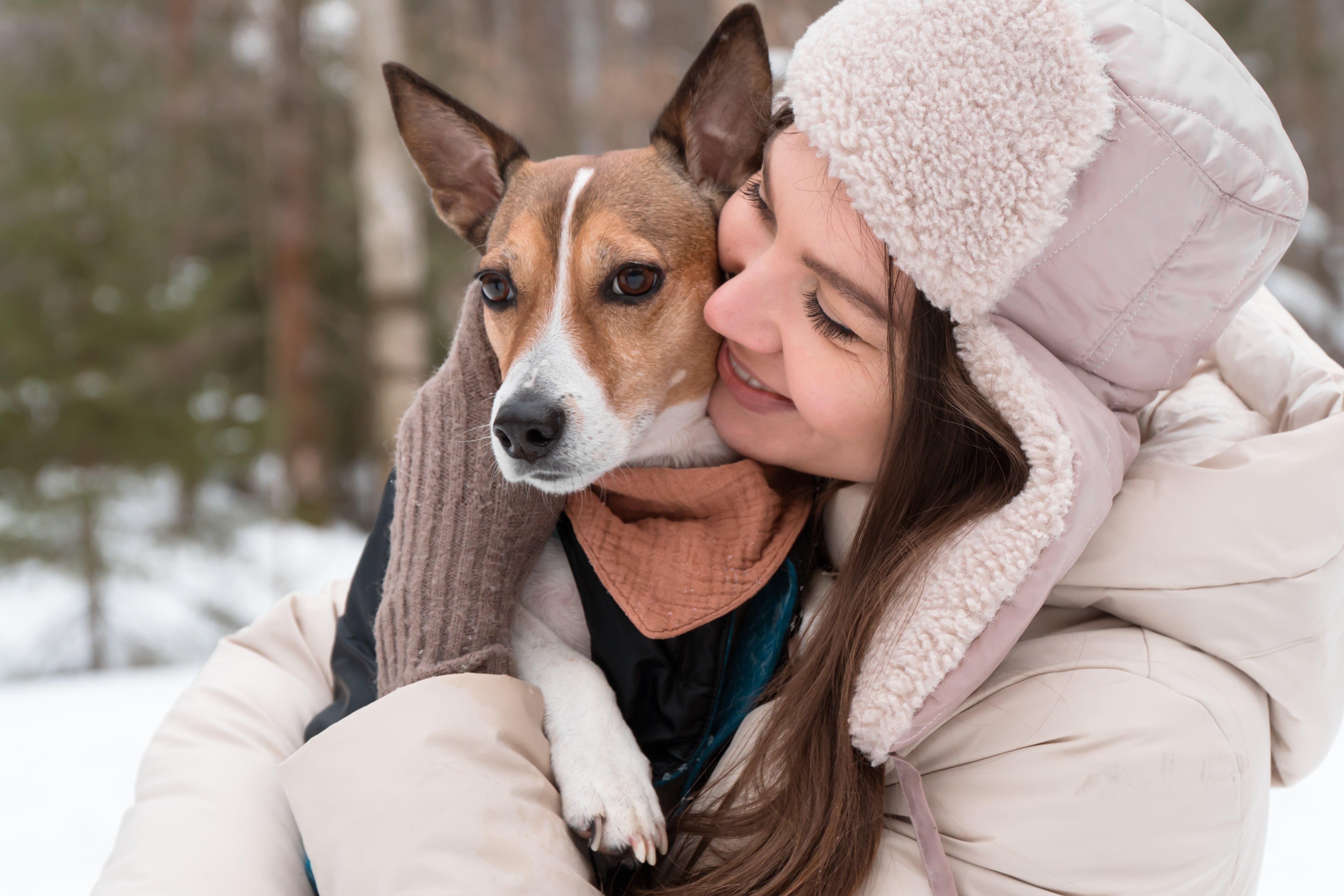
Does your dog need a coat or boots? Dogs exposed to rain, snow, or prolonged wetness may benefit from wearing a winter coat and/or boots to stay dry and warm.
Canines with thick fur may be perfectly comfortable without a coat during normal winter activities like potty breaks, walks, or playtime — as long as conditions are safe. Double-coated breeds such as Siberian Huskies, Alaskan Malamutes, Labrador Retrievers and Golden Retrievers are often well-equipped to handle cold weather and may even overheat if bundled up during mild temperatures or increased activity.
However, many dogs are more sensitive to the cold and commonly benefit from wearing coats and boots. These include:
- Elderly dogs
- Underweight dogs
- Dogs with medical conditions or arthritis
- Small and toy breeds
- Dogs with short, thin, or clipped coats
Breeds such as Chihuahuas, Dachshunds, Poodles and hairless breeds like the Chinese Crested are good examples of breeds that often need extra protection.
Just like people, dogs may benefit from having multiple coats for different winter conditions. Over time, we learn when our dog is most comfortable wearing one. The goal of a winter coat is to help dogs enjoy winter safely and comfortably by keeping them dry, reducing heat loss and protecting them from wind and cold.
When Does a Dog Need a Coat or Boots?
There isn’t a specific temperature that applies to all dogs, but as a general guideline, it’s worth considering a coat and boots once temperatures drop below freezing. However, several factors play a role, including:
- Wind chill
- Precipitation
- Length of time spent outside
- Activity level
- Breed, size, coat type and overall health
How Can We Tell When a Dog May be Cold?
Common signs include:
- Shivering
- Walking more slowly or refusing to walk
- Trying to turn back toward home or the car
- Lifting their feet off the ground, often alternating legs
- Whining or refusing to continue walking
What Should We Look for in a Winter Coat?
Winter coats come in many styles, from lightweight layers to fully insulated options. Options include waterproof shells, lined or insulated coats, fleece, sweater-style coats and even full-body suits. A coat should:
- Fit well without being too tight or too loose
- Allow full range of motion
- Be comfortable and not irritate the skin
- Allow dogs to take potty breaks easily
- Be easy to put on and take off
- Stay securely fastened during normal activity
Some coats offer additional features like adjustable straps, reflective trim, leash access for collars or harnesses and extended coverage for the neck, belly, or legs. Heated coats also exist, though they should be tested for safety by an independent agency.
What Should We Look for in Winter Boots?
- Be easy to put on and remove
- Fit securely without rubbing or irritating the feet
- Have warm, soft lining
- Be water-resistant
- Provide good traction on slippery surfaces
Reflective strips on booties are a helpful safety feature, especially if a coat isn’t worn at the same time. For dogs that resist wearing boots, paw wax products can be a good alternative to help protect paws from cold, snow buildup, and salt irritation. Additionally, if your dog has long hair on their feet, a little trimming may help reduce snow build-up.
Safety Tips for Dog Parents
We are concerned about your safety as well! Slippery conditions while walking your dog can increase your risk of falls and injuries. Try to walk your dog where sidewalks and roadsides are clear and avoid walking when the ground is icy and when visibility is poor. The risk of falls can also be reduced by wearing shoes with good traction or through the use of shoe attachments such as crampons to improve grip on the ice. When outside conditions are less than ideal, consider taking your dog to pet-friendly businesses where your dog can get some exercise and mental stimulation. Dogs that pull on their leash excessively can be especially challenging. Hands-free leashes and shock-absorbing leashes may be helpful in some situations but can also increase risk in others – so please use with caution. In addition to dressing warmly, improve your visibility on these shorter winter days by wearing reflective clothing or clothing with reflective features, using LED lights and using a headlamp or flashlight after dark.
Whether you and your dog love winter or dread it, extra planning and awareness can help make it safer and more enjoyable!
Wishing you and your beloved canines a happy, healthy 2026.
As always, thank you for being a Riney Canine Health Center member. We look forward to catching up with you next month!
Dr. Brian Collins, D.V.M. ‘94
Visit our website today for more Canine Health Topics and give your furry friend the care they deserve.
Questions: Discover expert tips, personalized advice and friendly support from our Big Red Bark Chat AI Assistant!

-1.jpg?width=50&name=Aly%20in%20RCHC%20shirt%20(+%20Mishka)-1.jpg)